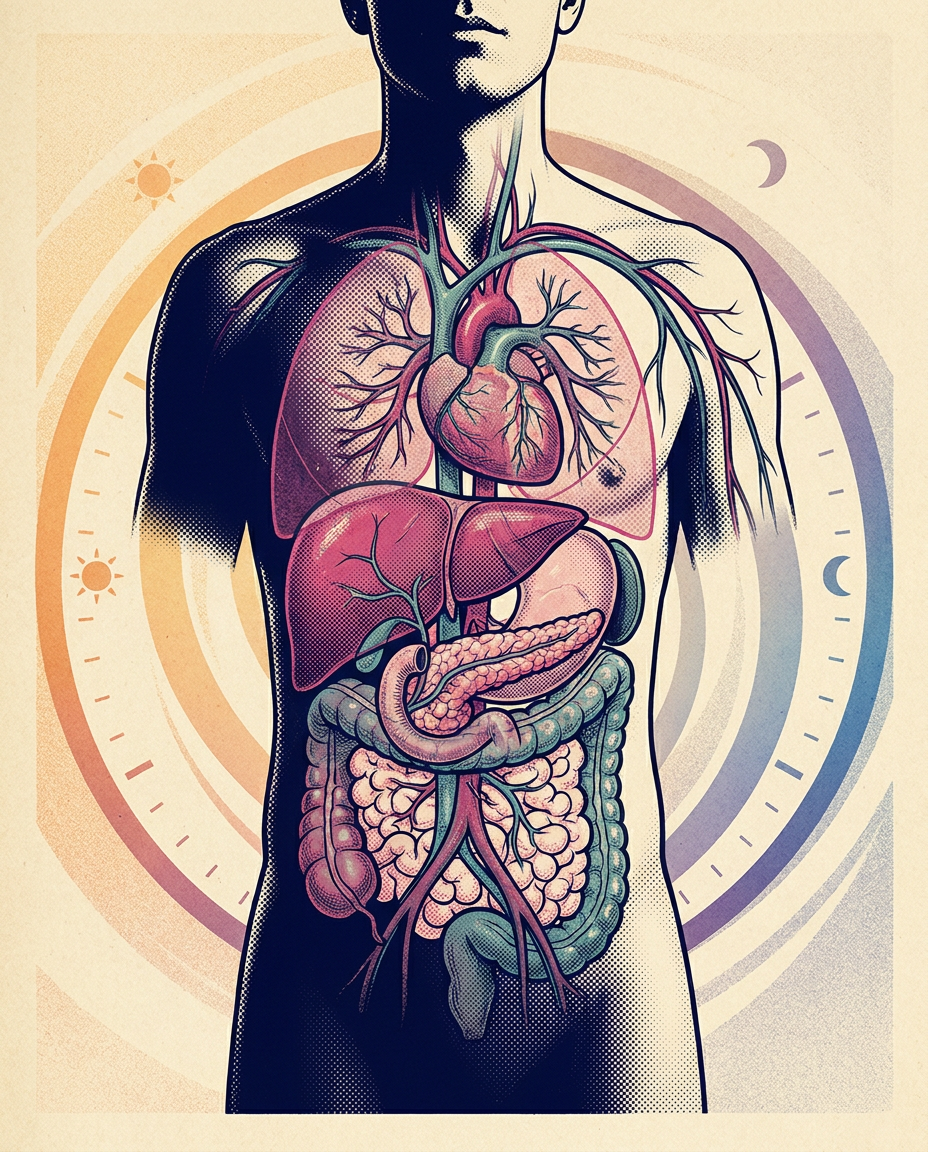
Intermittent fasting—any eating pattern that cycles between periods of eating and fasting—has moved from trend to testable science. Randomized trials now give us a clearer picture: fasting can help some cardiometabolic markers (the routine measures of heart and metabolic health, like blood pressure and insulin) in certain people, but it is not a cure-all. Benefits seem to come from creating a sustained calorie gap and, in some cases, from aligning meals with your body clock. Let’s walk through what the best studies actually found, why it matters, and how to use the approach safely.
Randomized trials test three main fasting styles
Researchers have focused on three versions of intermittent fasting (IF—eating patterns with planned fasts). Time-restricted eating (TRE—eating all calories within a consistent daily window, often 8–10 hours) aims to limit late-night intake without counting calories. Alternate-day fasting (ADF—eating little or nothing one day, then eating normally the next) creates a strong calorie swing across 48 hours. Intermittent energy restriction (the 5:2 pattern—two low-calorie days per week with five usual days) splits the difference.
Across trials, the main outcomes are weight, insulin sensitivity, blood pressure, and blood lipids. Insulin sensitivity is often measured with HOMA-IR (a simple blood-test score for how well your insulin is working). Blood lipids include LDL-C (the cholesterol carried by artery-clogging particles) and triglycerides (fat in the blood). None of these are “hard endpoints” (events like heart attack or stroke), but they are useful surrogate markers (biomarkers that stand in for disease risk) we can move in months, not decades.
Two large, well-designed trials show the boundaries of what TRE can do. A 2022 NEJM randomized trial of 139 adults with obesity compared daily calorie restriction with or without an 8-hour eating window and found no added benefit of TRE for weight, blood pressure, glucose, HbA1c (a 3-month average blood sugar), or lipids (Li et al., NEJM, 2022). In contrast, a smaller but careful 8-week Cell Metabolism trial found that 4- or 6-hour TRE windows without explicit calorie counting produced about 3% weight loss and improved insulin resistance (Cienfuegos et al., Cell Metabolism, 2020). Taken together, these suggest TRE helps when it reliably lowers calories and may help insulin even before major weight loss—especially when late-night eating is cut.
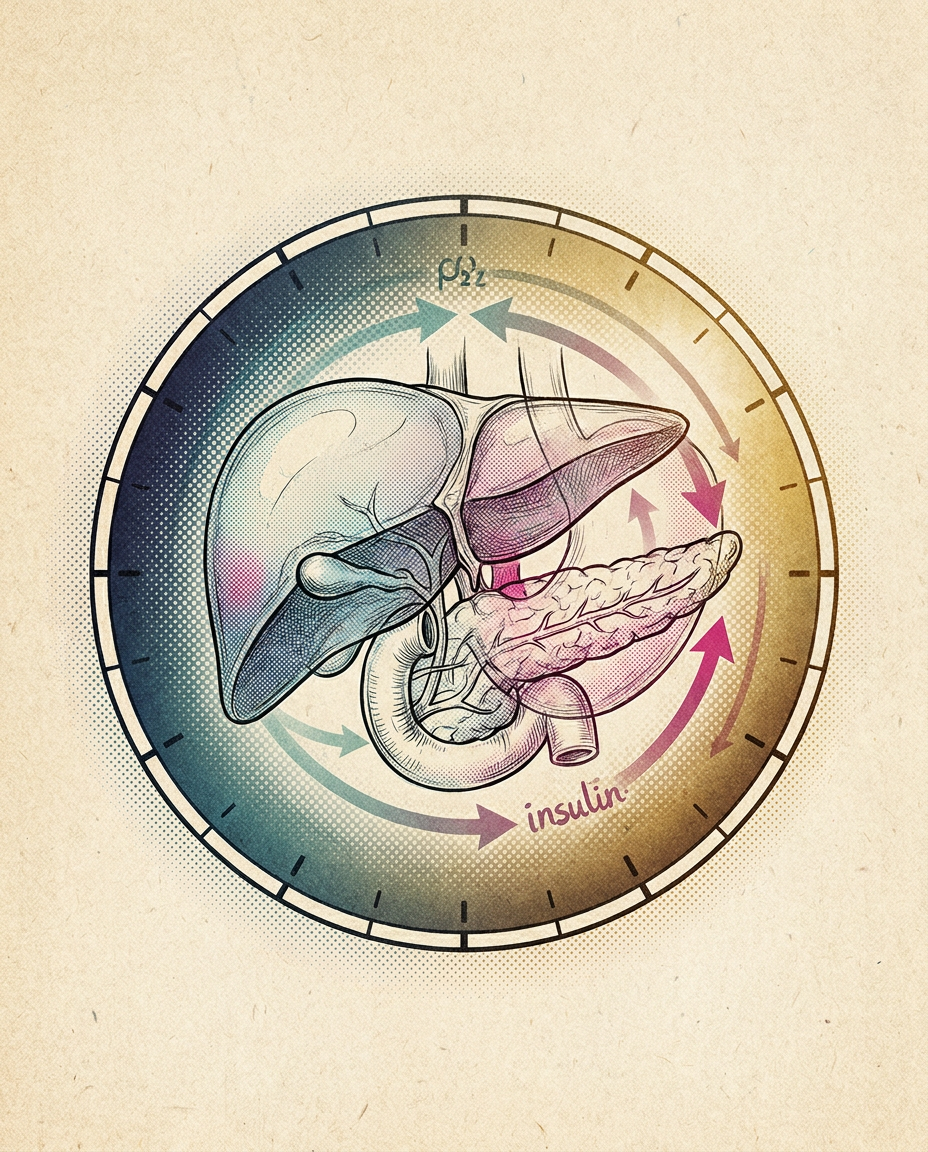
Weight, insulin, and blood pressure improve modestly—when fasting changes behavior
Weight is the clearest signal. In a 12-month JAMA Internal Medicine randomized trial, alternate-day fasting produced 6.0% weight loss, nearly identical to daily calorie restriction at 5.3% (Trepanowski et al., 2017). This tells us IF is a tool to create a calorie deficit, not a metabolic cheat code. In the 8-week TRE trial, both 4- and 6-hour windows yielded about 3% weight loss without a formal diet (Cienfuegos et al., 2020). But a 12-week JAMA Internal Medicine trial of 16:8 TRE without coaching showed almost no added weight loss and a small loss of lean mass (muscle and other nonfat tissue), reminding us implementation matters (Lowe et al., 2020).
Insulin sensitivity responds early. In a crossover trial of early TRE (eating only between about 8 a.m. and 2 p.m.) in men with prediabetes, insulin sensitivity improved, fasting insulin fell, and blood pressure dropped—even without weight loss (Sutton et al., Cell Metabolism, 2018). This suggests circadian timing—front-loading calories earlier—may benefit glucose control. The 2020 TRE trial also reported better HOMA-IR, consistent with this pattern (Cienfuegos et al., 2020).
Blood pressure often dips. Early TRE lowered systolic blood pressure (the top number) meaningfully in prediabetes (Sutton et al., 2018). In a separate 4-week randomized trial of alternate-day fasting in healthy adults, blood pressure and LDL-C decreased modestly (Stekovic et al., Cell Metabolism, 2019). These are surrogate gains, but they matter because sustained changes in blood pressure and LDL-C track with lower cardiovascular risk over years in other contexts.
"Intermittent fasting is best viewed as a structure that helps some people eat fewer late calories and align meals with their body clock—not as a metabolic workaround."
— Dr. Ari Sahebkashaf, THE LONGEVITY LAB MD
Figure · bar
Weight change in randomized intermittent fasting trials
Percent body-weight change from baseline in selected randomized trials. TRE = time-restricted eating; ADF = alternate-day fasting.
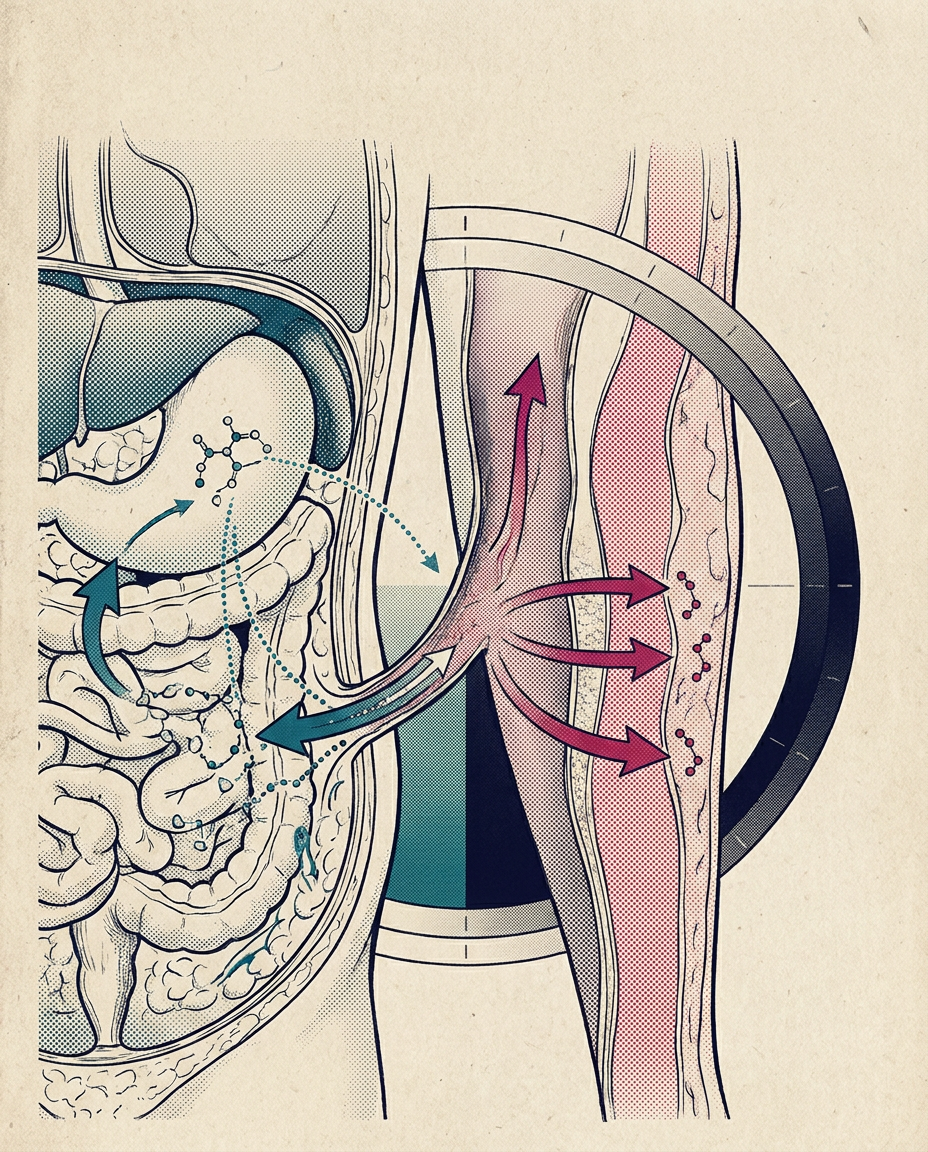
Cholesterol and inflammation: mixed and usually modest in short trials
Short trials rarely move blood lipids much unless weight loss is substantial. In the 12-month NEJM trial, adding TRE did not further lower LDL-C (the “bad” cholesterol), triglycerides, or HDL-C compared with the same calories without TRE (Li et al., 2022). The JAMA Internal Medicine TRE study also showed no consistent lipid improvements and flagged a small drop in lean mass (Lowe et al., 2020). By contrast, a 4-week Cell Metabolism randomized trial of alternate-day fasting in healthy nonobese adults found modest reductions in LDL-C and blood pressure (Stekovic et al., 2019). These data suggest fasting patterns by themselves do not predict lipid changes; the degree of sustained calorie reduction and weight loss does.
What about ApoB—a protein that counts every artery-clogging particle in your blood—and inflammation markers like CRP (C-reactive protein—a blood marker of inflammation)? Most fasting trials have not measured ApoB directly, and CRP results are inconsistent over short periods. Limited evidence suggests that multi-day fasting-mimicking diet cycles (5 days of low-calorie, low-protein feeding per month) can lower IGF-1 (insulin-like growth factor 1—a hormone linked to growth signaling), blood pressure, and triglycerides over three months, with CRP improvements in people who started high (Wei et al., Sci Transl Med, 2017). That’s encouraging but still emerging and not the same as daily TRE or ADF.
Safety, muscle, and who should avoid or adapt fasting
Any diet that cuts calories can cost muscle if protein or resistance training are low. In the 12-week TRE trial, the TRE group lost more lean mass than controls (between-group difference about −1.1 kg), likely from unstructured eating and lower protein timing (Lowe et al., 2020). That is a fixable problem: pair fasting windows with enough protein—about 1.2–1.6 grams per kilogram of target body weight per day (a practical range used in weight-loss research)—and lift weights 2–3 times weekly to protect muscle. Evidence strength here is well-established for resistance training preserving lean mass during weight loss, though the exact protein target varies across studies.
If you take glucose-lowering drugs for diabetes—like insulin or sulfonylureas (medications that push the pancreas to release more insulin)—fasting can cause low blood sugar. Work with your clinician to adjust doses before you change meal timing. People who are pregnant, have a history of eating disorders, or are underweight should avoid intermittent fasting unless a clinician is closely supervising. These cautions are well-established safety principles across nutrition trials.
Finally, think about sustainability. In the 12-month JAMA trial, alternate-day fasting did not outperform daily calorie restriction and had similar adherence challenges (Trepanowski et al., 2017). If TRE helps you cut late snacking and sleep better, it can be a durable habit; if it leads to overeating during the window, it will disappoint. The style that you can stick with—without hunger, social strain, or rebound eating—is the one that works.
How to apply the evidence in real life
Start with timing before extremes. A 10-hour window (for example, 8 a.m. to 6 p.m.) captures most of the circadian benefit—less late-night eating—without social friction. If it feels easy after two weeks, try 8–9 hours. Favor earlier windows on workdays when possible; the strongest insulin and blood-pressure data come from front-loaded eating (Sutton et al., 2018).
Prioritize protein and plants inside the window. Aim for at least two protein-rich meals to hit a daily target near 1.2–1.6 g/kg of target body weight—spread across the window—to protect muscle. Fill the plate with vegetables, legumes, and whole grains for fiber (helps fullness and glucose). Add healthy fats like olive oil and nuts for staying power. These are well-established building blocks across weight-loss trials.
Lift and move. Do 2–3 days per week of resistance training and walk after meals. Resistance work preserves lean mass during weight loss (well-established across randomized trials), and a 10–15 minute post-meal walk blunts glucose spikes (supported by small randomized studies), which can help insulin sensitivity over time. If you train early, consider a protein-containing breakfast to support the session even within an early TRE window.
Measure what matters. Track weight and waist monthly. Check fasting glucose and HbA1c every 3–6 months if you have prediabetes or diabetes. Consider HOMA-IR if your clinician uses it. For lipids, ApoB—a protein that counts every artery-clogging particle in your blood—is a better single marker of risk than LDL-C alone; expect little change from fasting alone unless you lose significant weight. These are surrogate markers, but they guide course corrections long before hard outcomes appear.
Know what to expect. Based on randomized trials, realistic short-term outcomes are 3–6% weight loss over 2–12 months if fasting helps you reduce calories, small-to-moderate improvements in insulin sensitivity, and a few mmHg drop in blood pressure—emerging to well-established depending on the pattern (Cienfuegos et al., 2020; Sutton et al., 2018; Trepanowski et al., 2017). Lipid and inflammation changes are mixed and usually modest unless weight loss is sustained (Li et al., 2022; Stekovic et al., 2019). If your goals include larger lipid changes, combine fasting with dietary composition changes that lower ApoB, such as replacing saturated fat with unsaturated fat—a separate, well-supported strategy.
Bottom line: intermittent fasting is a structure, not a shortcut. Use it to engineer earlier, fewer, and more intentional meals. Pair it with protein and resistance training, and measure progress with the right markers. If it fits your life, it can move the needle on weight, insulin, and blood pressure—without promising what the science hasn’t shown yet.
Important Disclaimer: Intermittent fasting is not suitable for everyone. Individuals who are pregnant or breastfeeding, have diabetes, are taking medications that affect blood sugar, have a history of eating disorders, are underweight, or have certain medical conditions should seek medical advice before attempting any fasting regimen. Before starting intermittent fasting, it is important to discuss it with your doctor or healthcare professional to ensure it is safe and appropriate for your individual health circumstances.
References & Further Reading
- 1. Li et al. (2022) Calorie Restriction with or without Time-Restricted Eating in Weight Loss. New England Journal of Medicine. https://www.nejm.org/doi/full/10.1056/NEJMoa2201761
- 2. Cienfuegos et al. (2020) Effects of 4- and 6-h Time-Restricted Eating on Weight and Metabolic Outcomes in Adults with Obesity: A Randomized Trial. Cell Metabolism. https://doi.org/10.1016/j.cmet.2020.04.018
- 3. Sutton et al. (2018) Early Time-Restricted Feeding Improves Insulin Sensitivity, Blood Pressure, and Oxidative Stress Even without Weight Loss in Men with Prediabetes. Cell Metabolism. https://doi.org/10.1016/j.cmet.2018.04.010
- 4. Lowe et al. (2020) Effect of Time-Restricted Eating on Weight Loss in Adults with Overweight and Obesity: A Randomized Clinical Trial. JAMA Internal Medicine. https://doi.org/10.1001/jamainternmed.2020.4153
- 5. Trepanowski et al. (2017) Effect of Alternate-Day Fasting on Weight Loss, Weight Maintenance, and Cardioprotection Compared with Daily Calorie Restriction and with a No-Intervention Control: A Randomized Clinical Trial. JAMA Internal Medicine. https://doi.org/10.1001/jamainternmed.2017.0936
- 6. Stekovic et al. (2019) Alternate Day Fasting Improves Physiological and Molecular Markers of Aging in Healthy, Non-obese Humans. Cell Metabolism. https://doi.org/10.1016/j.cmet.2019.07.016
- 7. Wei et al. (2017) Fasting-Mimicking Diet and Markers/Risk Factors for Aging, Diabetes, Cancer, and Cardiovascular Disease. Science Translational Medicine. https://www.science.org/doi/10.1126/scitranslmed.aai8700
- 8. Harvie et al. (2011) The Effects of Intermittent or Continuous Energy Restriction on Weight Loss and Metabolic Disease Risk Markers: A Randomized Trial in Young Overweight Women. International Journal of Obesity. https://doi.org/10.1038/ijo.2010.209
— End of Article —