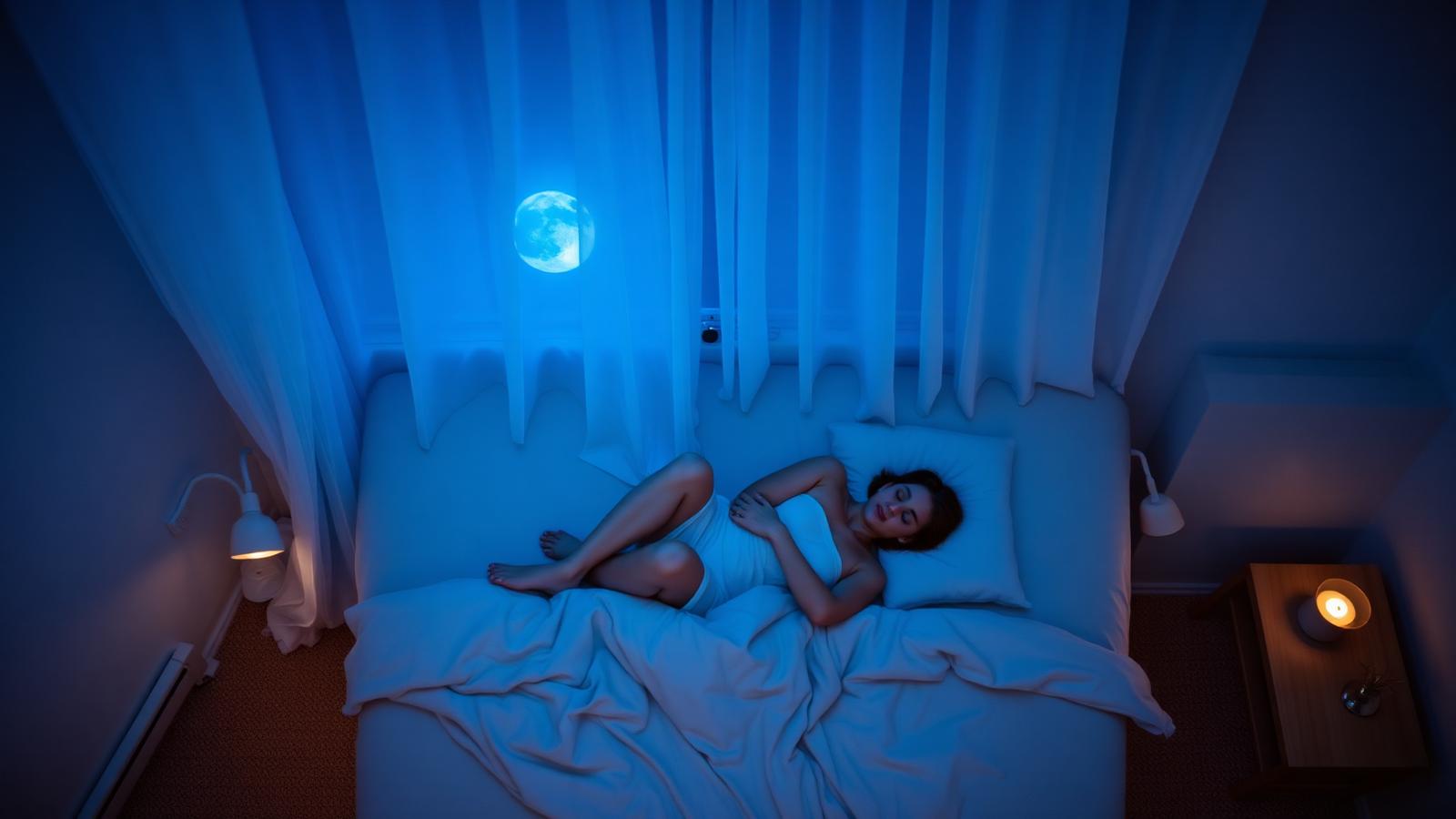
We tend to treat sleep as the opposite of productivity — hours we “lose” at the end of a busy day. But biologically, sleep is one of the most active periods your body has. It's when tissue is rebuilt, hormones are released, memories are filed away, and the brain is physically cleaned.
If you care about living longer and healthier, few habits move the needle more than the way you sleep. Here's what the science actually says.
Sleep Happens in Cycles, Not One Long Stretch
A night's sleep isn't uniform. You move through repeating cycles of roughly 90 minutes — four to five times a night — passing through several distinct stages: light sleep (stages N1 and N2), deep or slow-wave sleep (N3), and REM (rapid eye movement) sleep.
The mix shifts as the night goes on. Deep sleep dominates the first third of the night, while REM sleep gets longer toward morning. This is why cutting your night short — or fragmenting it — doesn't just cost you “less sleep.” It selectively robs you of specific stages your body depends on.
Figure · bar
Sleep architecture: one typical night
Approximate share of total sleep time in a healthy adult across four to five 90-minute cycles. Deep sleep front-loads the night; REM lengthens toward morning.
Deep Sleep: Your Body's Repair Shift
Slow-wave sleep is the deepest, most restorative stage — and it's when physical recovery happens.
During deep sleep, your body releases its largest pulse of growth hormone. Studies using overnight blood sampling show that in men, roughly 70% of growth hormone pulses coincide with slow-wave sleep, and the amount released tracks with how much deep sleep you get. Growth hormone and its downstream messenger, IGF-1, drive the repair of muscle, bone, and other tissue — the reason a hard workout truly “pays off” only after a good night's sleep.
Deep sleep is also when your heart gets a break. Heart rate and blood pressure fall during slow-wave sleep — a nightly dip researchers believe is important for long-term cardiovascular health. People whose blood pressure doesn't dip at night tend to carry higher cardiovascular risk.
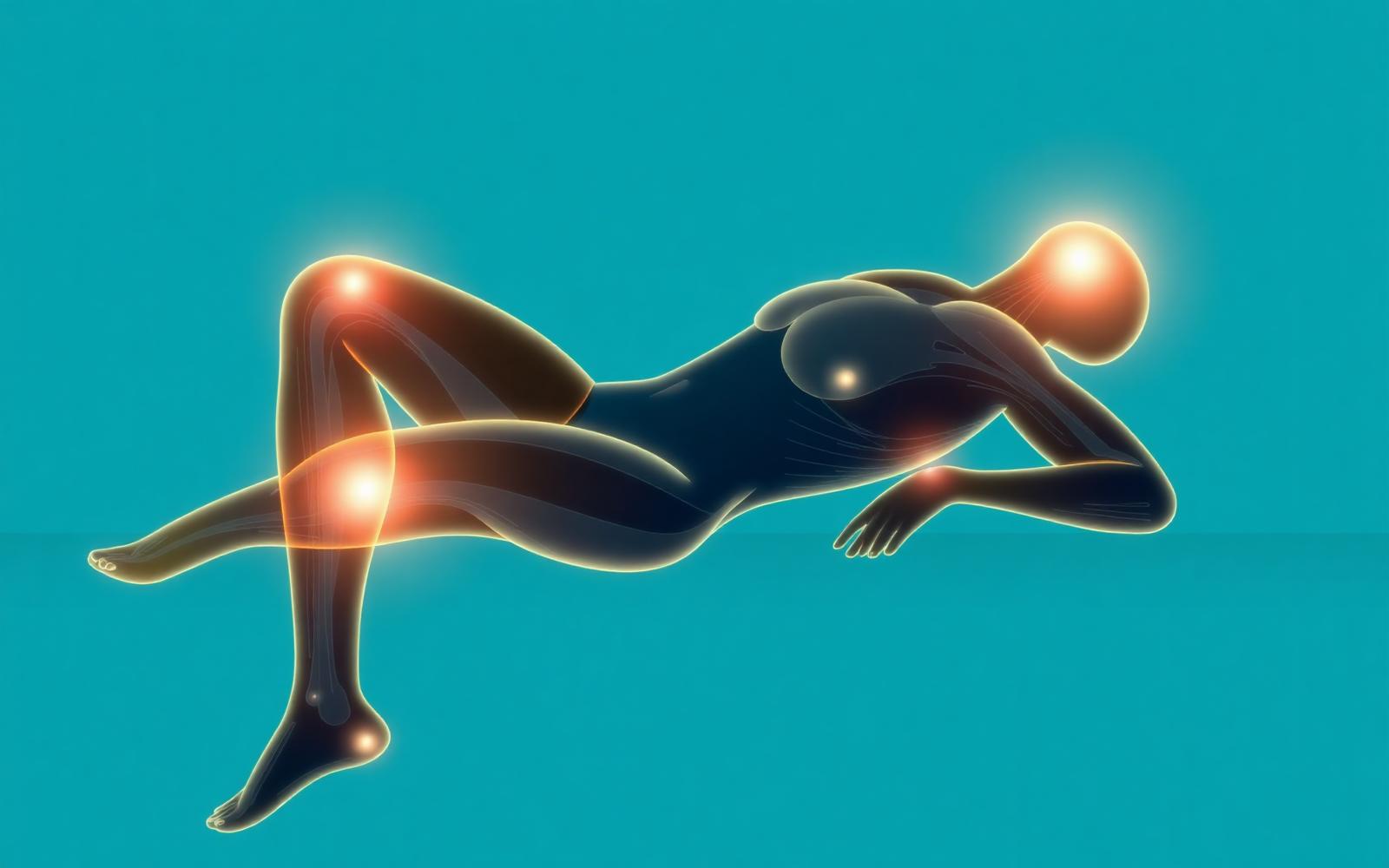
Figure · bar
Growth hormone release follows deep sleep
In men, roughly 70% of overnight growth hormone pulses coincide with slow-wave sleep, and output tracks the amount of deep sleep obtained.
Your Brain's Overnight Cleaning Crew
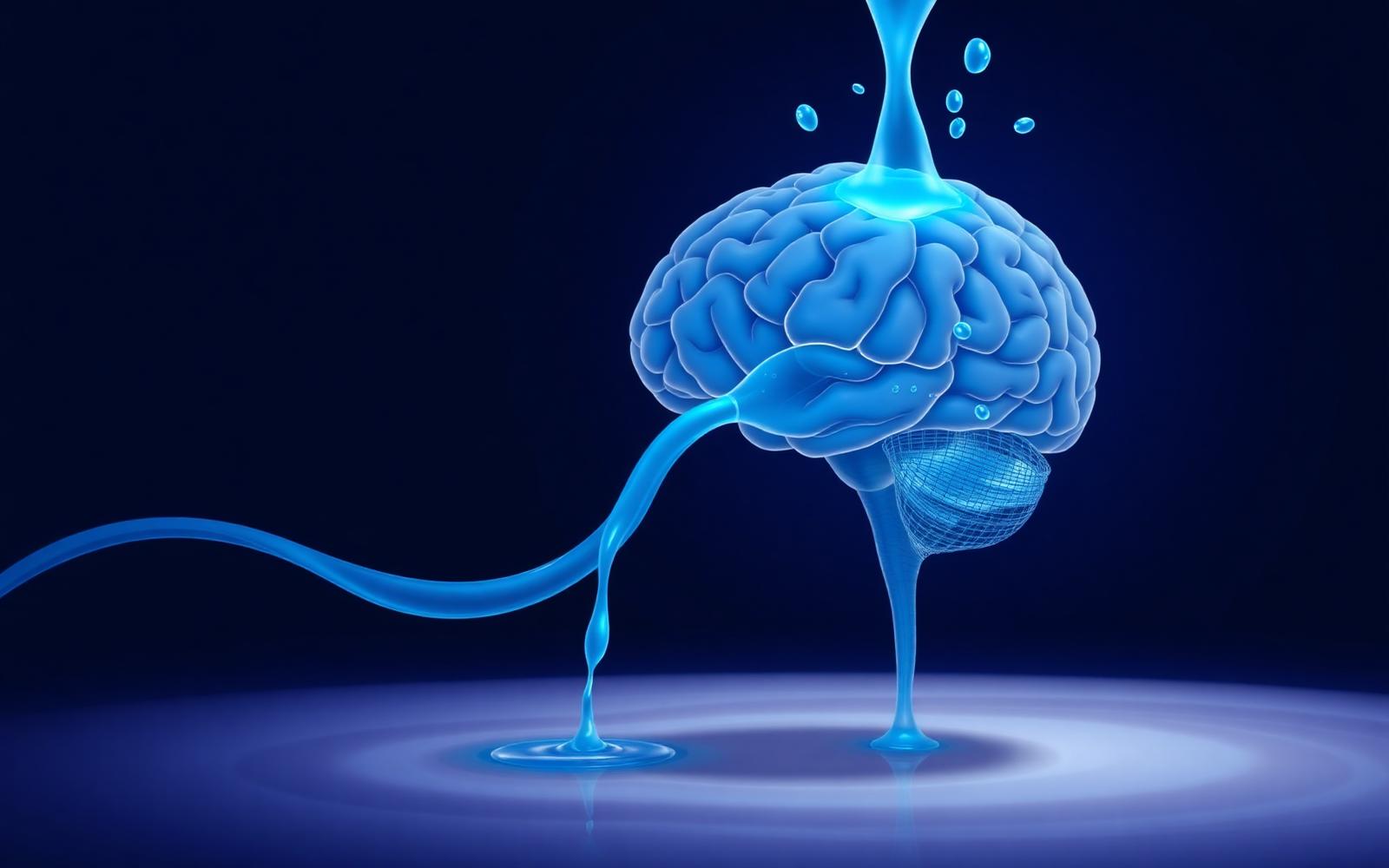
One of the most striking discoveries in modern neuroscience is that the brain has its own waste-removal system — the glymphatic system — and it runs mainly while you sleep.
During deep sleep, the spaces between brain cells expand, allowing cerebrospinal fluid to flush through and carry away metabolic waste that builds up during the day. That waste includes beta-amyloid and tau — the same proteins that accumulate in Alzheimer's disease. In a 2026 randomized human trial, researchers found this clearance was measurably higher after a normal night's sleep than after sleep deprivation, offering direct evidence that sleep helps clear these proteins in people, not just in animal studies.
REM Sleep: Filing Away Memory and Emotion
If deep sleep repairs the body, REM sleep helps organize the mind. REM is when most dreaming occurs, and it plays a central role in memory consolidation and emotional processing.
The picture is nuanced: research shows that both slow-wave and REM sleep contribute to locking in memories — deep sleep is especially important for facts, while REM helps integrate experiences and take the emotional “edge” off them. This is the science behind the old advice to “sleep on it.” Your brain does real work on problems and emotions overnight.
What Happens When You Cut Sleep Short
The costs of under-sleeping show up fast and add up over time. Even a single night of poor sleep can reduce strength, power, and endurance, and impair concentration and reaction time to a degree that has been compared to alcohol.
- Weakened immune function
- Higher risk of obesity and type 2 diabetes
- Elevated blood pressure and cardiovascular disease
- Increased stroke risk
- Earlier mortality with habitual sleep under seven hours
Figure · comparison
What short sleep costs you
Indicative magnitude of effects reported in sleep-restriction and epidemiological studies. Directional, not individual risk.
None of this is cause to panic over the occasional bad night — your body is resilient. But chronic short sleep is one of the most under-recognized risk factors for the very conditions longevity medicine works to prevent.
How Much Sleep Do You Actually Need?
For most healthy adults, the answer is seven to nine hours per night. Leading bodies including the American Academy of Sleep Medicine recommend at least seven hours, and both too little and too much are linked to worse health outcomes.
Yet many people fall short — by some estimates, only 30–45% of U.S. adults regularly hit this target. And if you're recovering from illness, hard training, or high stress, your body may need even more.
Figure · bar
Recommended nightly sleep, by life stage
Hours per night recommended by the American Academy of Sleep Medicine and Sleep Research Society. Adults: at least seven hours.
Quality matters as much as quantity. A consistent sleep and wake time, a cool and dark bedroom, and limiting screens and caffeine before bed all help you spend more time in the restorative deep and REM stages.
"Sleep is not lost time — it is when your body does its most important repair work."
— Dr. Ari Sahebkashaf, MD
The Bottom Line
Deep sleep rebuilds the body and protects the heart, the glymphatic system clears the brain, and REM sleep consolidates memory and emotion. Aim for seven to nine hours of consistent, high-quality sleep, and treat it as seriously as your diet and training. In the long game of health, few investments return more.
References & Further Reading
- 1. American Academy of Sleep Medicine — Seven or more hours of sleep per night: a health necessity for adults. https://aasm.org/seven-or-more-hours-of-sleep-per-night-a-health-necessity-for-adults/
- 2. CDC / MMWR — Prevalence of Healthy Sleep Duration among Adults. https://www.cdc.gov/mmwr/volumes/65/wr/mm6506a1.htm
- 3. Nature Communications (2026) — The glymphatic system clears amyloid beta and tau from brain to plasma in humans. https://www.nature.com/articles/s41467-026-68374-8
- 4. Sleep Foundation — Slow-Wave Sleep: An Overview. https://www.sleepfoundation.org/stages-of-sleep/slow-wave-sleep
- 5. Physiology of growth hormone secretion during sleep (PubMed). https://pubmed.ncbi.nlm.nih.gov/8627466/
- 6. Communications Biology (2025) — Both slow wave and rapid eye movement sleep contribute to emotional memory consolidation. https://www.nature.com/articles/s42003-025-07868-5
— End of Article —